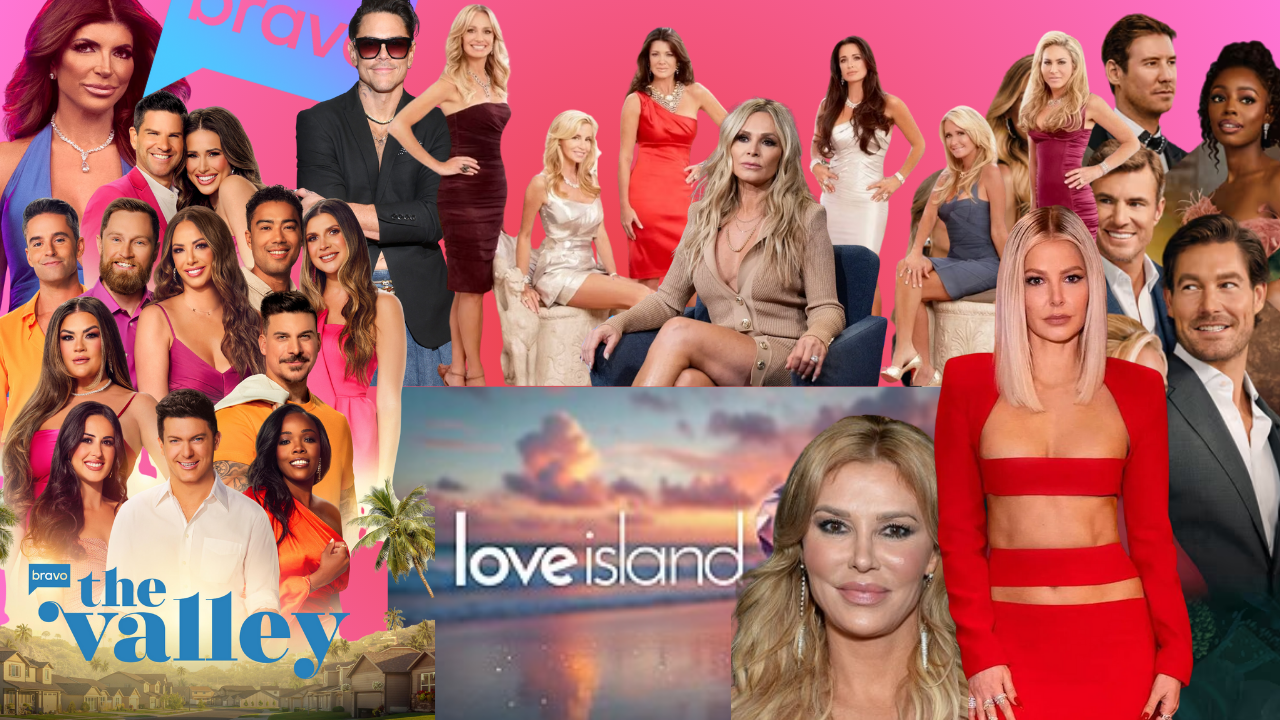
The Shift Toward Darkness in Bravo Programming
In recent years, platforms like Bravo have increasingly featured storylines that raise a stark question: Is reality TV getting too dark? Once known for its lighthearted glamour and drama, the network now showcases cheating scandals, abuse allegations, addiction struggles, and mental health crises.

The “Scandoval”: When Cheating Goes Too Far
The infamous “Scandoval” shook Vanderpump Rules when Tom Sandoval’s months-long affair with co-star Raquel Leviss was exposed by his long-time partner Ariana Madix. The discovery of texts and a racy video ended their nine-year relationship and unleashed massive viewer backlash. Sandoval and Raquel issued public apologies, and the drama upended friendships and cast dynamics People.com+1CNN.
Although this drama essentially extended Vanderpump Rules’ life for one more season, the aftermath and the divides it caused for these very real people come into question. Is it really worth seeing this type of turmoil in people’s lives? Not to mention the hate Raquel got. We watched her season after season be what many would call emotionally and verbally abused by her ex-boyfriend, James Kennedy, only to become the hottest topic of 2023.
Domestic Abuse Allegations: Jax Taylor’s Troubling Behavior
The reality TV platform turned dangerous with revelations about Jax Taylor on The Valley. He faced accusations ranging from emotional abuse to illegal surveillance and physical injury inflicted on his estranged wife, Brittany Cartwright. Legal experts argue that Bravo could face liability for continuing to air such behavior without action The Sun+1IndiatimesDeciderTIME.
Not to mention the decade-long drug-fueled rage he persistently displayed on the show toward the rest of the cast. He got fired once for his bad behaviour, but Bravo decided to give him a second chance and an alleged producer credit for The Valley.
Other Dark Turns Across the Franchise
From alcohol misuse to past trauma, Bravo’s programming covers topics once considered too heavy for reality TV.
Substance and Mental Health Struggles
Addiction themes are now common: cast members battling alcohol dependence across franchises like Summer House and Southern Charm, cocaine struggles, and mounting personal crises.
Abuse and Death in the Spotlight
Taylor Armstrong from Real Housewives of Beverly Hills endured emotional and physical abuse from her late husband, a storyline tied to real tragedy. Brandi Glanville similarly carries a painful personal history, including obvious substance abuse issues and tumultuous relationships.
The Love Island Fallout and Reality TV Harassment
Though not Bravo, Love Island offers a cautionary parallel. Some contestants have experienced death threats, revenge porn, and severe online harassment. The psychological toll is real; three competitors even died by suicide after enduring hate messages and cyber-bullying.
Fan behavior amplifies the darkness. Parasocial attachments, where viewers treat reality stars like personal friends, can devolve into harassment and death threats when expectations aren’t met.
Bravo’s Role: Playground or Pressure Cooker?
Reality TV should entertain. But when real trauma and danger are front and center, is it still entertainment? Should production teams intervene?
Production should consider:
Intervention when behavior crosses into harmful territory
Providing mental health support to cast members
Refusing to exploit serious personal issues for ratings
When is Reality TV Getting Too Dark?
The question “Is reality TV getting too dark?” applies heavily to Bravo. With scandals like Sandoval’s betrayal, Jax Taylor’s abusive behavior, and still-lingering trauma from earlier seasons, the line between reality and rumor blurs and often tips into unsafe territory.
Key warning signs:
Real-world consequences for cast members (legal, emotional, physical)
Audience harassment fueled by parasocial dynamics
Lack of safeguards for mental or emotional well-being
Final Thoughts
Yes, reality TV is getting too dark, especially on Bravo. Once a source of escapism and campy fun, the network now frequently showcases deeply personal and painful situations. This shift raises serious ethical concerns about media responsibility and the well-being of cast participants.
That does not mean viewers should stop watching. But it does suggest the need for change: reality TV producers must begin protecting their cast, drawing lines around what is acceptable, and ensuring vulnerable moments don’t become spectacle.
Bravo should be fun. Yet if reality TV is getting too dark, as the evidence suggests, it may be time to ask how much darkness viewers—and participants- should endure before the genre risks losing its humanity.
What do you think? is reality TV getting too dark?