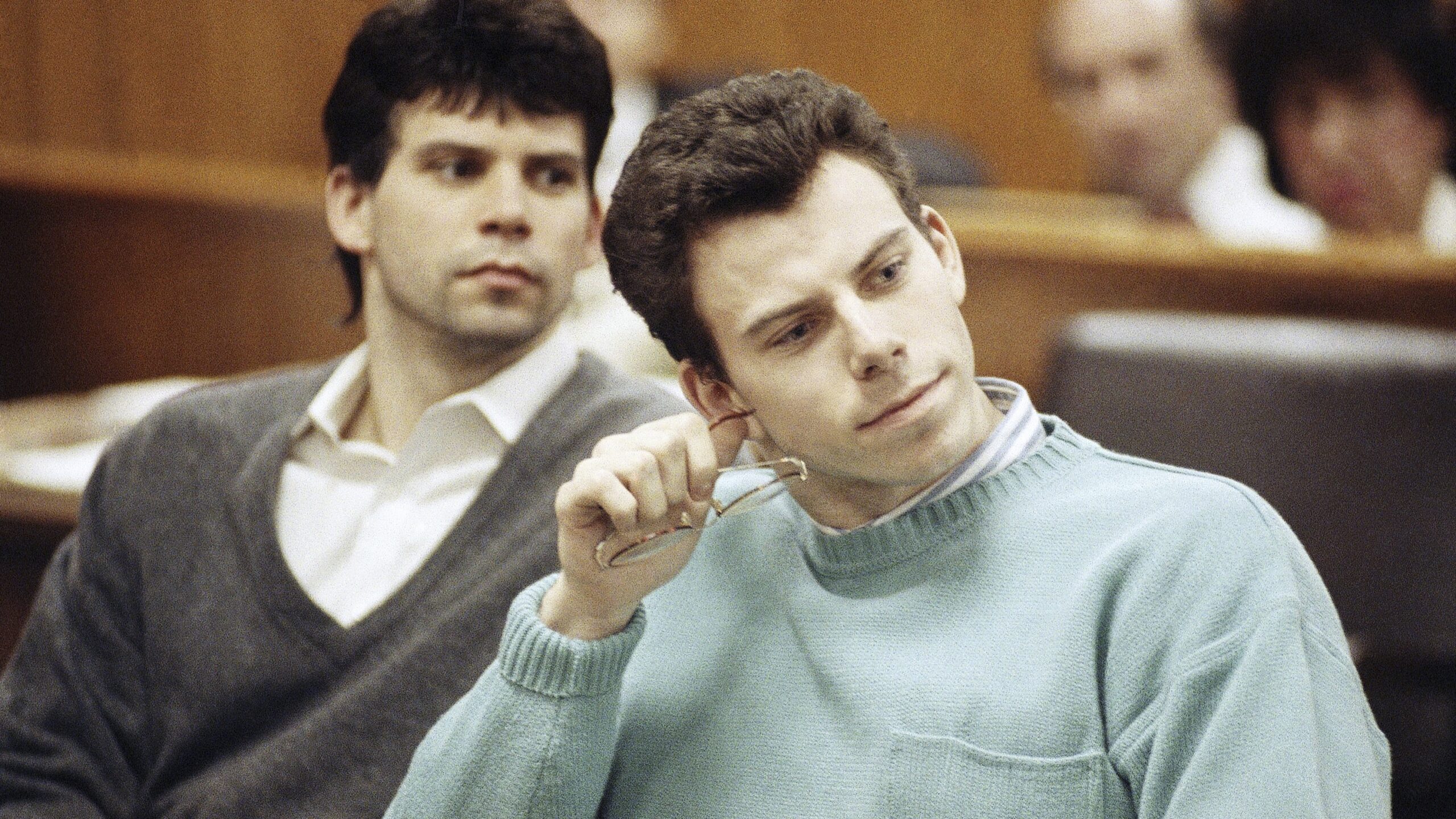
Parole Denial and Contributing Factors
In August 2025, the Menendez brothers, Erik and Lyle, were once again denied parole by the California parole board. The decision extends their decades-long incarceration for the 1989 murders of their parents, José and Kitty Menendez. Despite strong support from family members and renewed public attention sparked by documentaries and dramatizations, commissioners ruled that both brothers remain unsuitable for release.
The primary factors that contributed to the denial include:
- Prison Infractions: Both Erik and Lyle were disciplined for possessing contraband cell phones, which officials consider a severe security risk in prison settings.
- Gang Associations: Erik admitted to associating with a prison gang in the past to ensure survival, raising doubts about his rehabilitation.
- Concerns Over Compassion: Commissioners expressed unease about the brutality of the crime, particularly in the killing of their mother, Kitty.
- Psychological Assessments: Risk evaluations deemed both brothers as “moderate risk,” making the parole board hesitant to approve their release.
- Perception of Rule-Breaking: Officials emphasized that repeated disregard for prison rules could indicate future difficulties following societal laws.
Despite expressing remorse and highlighting years of sobriety, education, and positive contributions behind bars, these issues overshadowed the Menendez brothers’ progress.

The Crimes That Shocked Beverly Hills
The case first captured national attention in August 1989, when José and Kitty Menendez were found shot to death in their Beverly Hills mansion. The killings were carried out with shotguns purchased by the brothers just days prior.
During the trial, prosecutors argued that Erik and Lyle murdered their parents out of greed, hoping to inherit their father’s multimillion-dollar estate. The defense countered with claims of years of physical and sexual abuse at the hands of their father, and psychological trauma inflicted by both parents.
The first trial ended in a mistrial, largely due to the sympathetic testimony regarding alleged abuse. However, in a second trial in 1996, both were convicted of first-degree murder and sentenced to life in prison without the possibility of parole—until parole hearings became available decades later under evolving California law.
Life in Prison
Since their incarceration, the Menendez brothers have lived in separate facilities for many years before being reunited in 2018 at Richard J. Donovan Correctional Facility in San Diego.
Positive Contributions
- Both have pursued education behind bars.
- They have served as mentors to other inmates.
- Erik in particular has been recognized for his sobriety since 2013.
Negative Marks
- Erik’s association with the prison gang “Two Fivers” in the early 2010s.
- Multiple contraband violations for possessing and using cell phones to contact loved ones.
- Accusations of minimization of responsibility and deceptive behavior.
While the brothers presented these infractions as desperate attempts to cope with isolation and maintain family connections, the board viewed them as indicators of ongoing rule-breaking tendencies.
Why the Parole Board Remains Skeptical
Commissioners voiced particular concern about the lack of clarity and remorse surrounding the murder of Kitty Menendez. They emphasized that she, too, may have been a victim of domestic violence, yet the brothers still carried out a brutal killing against her. Lyle’s final shot at his mother was described as “callous,” and Erik was criticized for appearing “devoid of compassion” at the time of the crime.
The parole board also stressed that prisoners who fail to follow institutional rules are statistically more likely to reoffend upon release, making it difficult to trust that the brothers could adapt to life outside prison walls.
Support from Family and Advocates
Despite the denial, numerous family members pleaded for the brothers’ release. Relatives described Erik and Lyle as rehabilitated men who have shown growth, remorse, and spiritual strength. Some family members even offered to provide stable homes for the brothers if released.
However, the parole board ultimately weighed security concerns and the gravity of the crime over these testimonies, resulting in another three-year denial. The Menendez brothers may request an administrative review in one year, but their next full hearing could be up to 18 months away.
Conclusion
The Menendez brothers’ story remains one of America’s most infamous true crime cases—an intersection of family tragedy, allegations of abuse, and sensational media coverage. While their supporters argue they have paid their debt to society, the parole board’s latest decision underscores the enduring gravity of their crimes and the challenges of proving full rehabilitation.
For now, Erik and Lyle Menendez remain behind bars, symbols of both a deeply fractured family history and the complexities of justice in America.
Stay Connected