Court Ruling Forces Shutdown of Controversial Facility
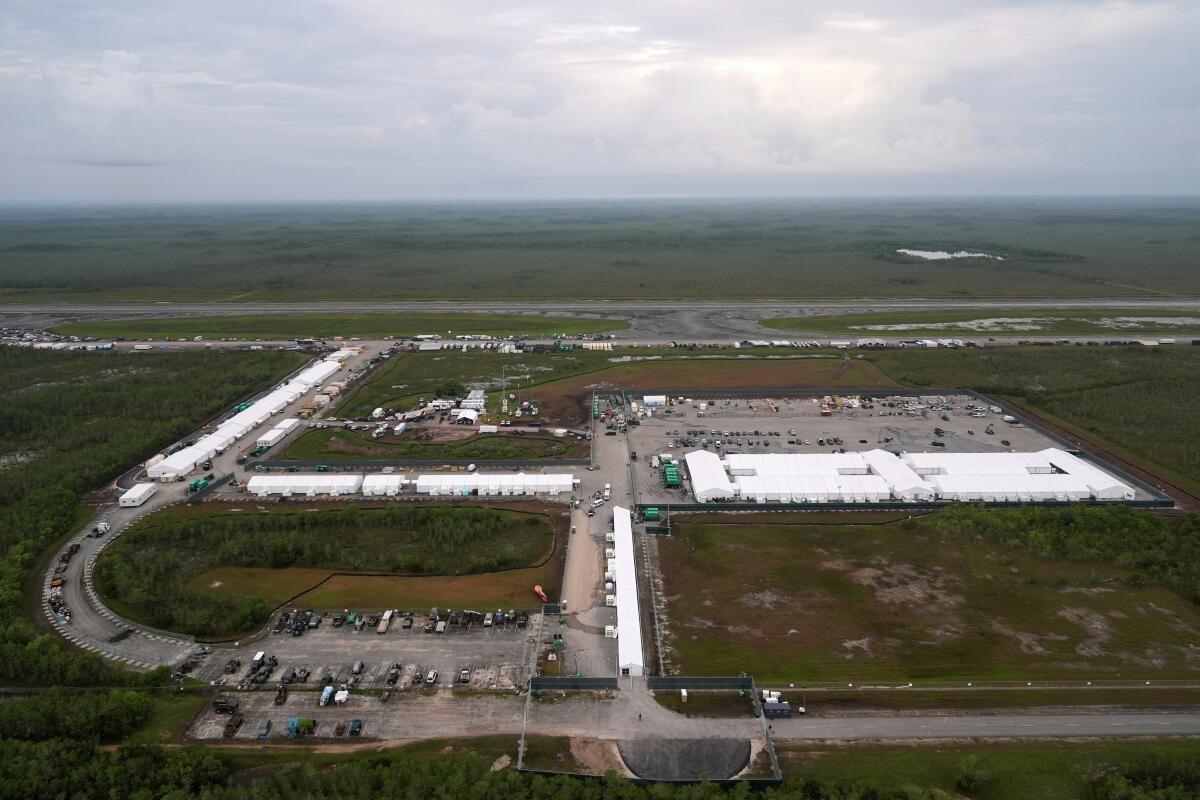
A federal judge has ordered the closure of the Florida immigration detention center known as Alligator Alcatraz, giving authorities 60 days to shut down operations. The ruling cited violations of environmental laws and the facility’s construction in a fragile part of the Everglades. Florida’s state government has already filed an appeal, arguing that the closure disrupts deportation operations and law enforcement activities, but the judge’s decision marks a major setback for the controversial facility.
What is Alligator Alcatraz?
Built rapidly on a disused airstrip in the Everglades, Alligator Alcatraz was designed to hold thousands of migrants facing deportation. Officials described it as a critical part of federal immigration enforcement, while critics have labeled it inhumane and unsafe. Detainees have reported extreme heat, overcrowding, infestations of insects, limited food, and inadequate toilet facilities.
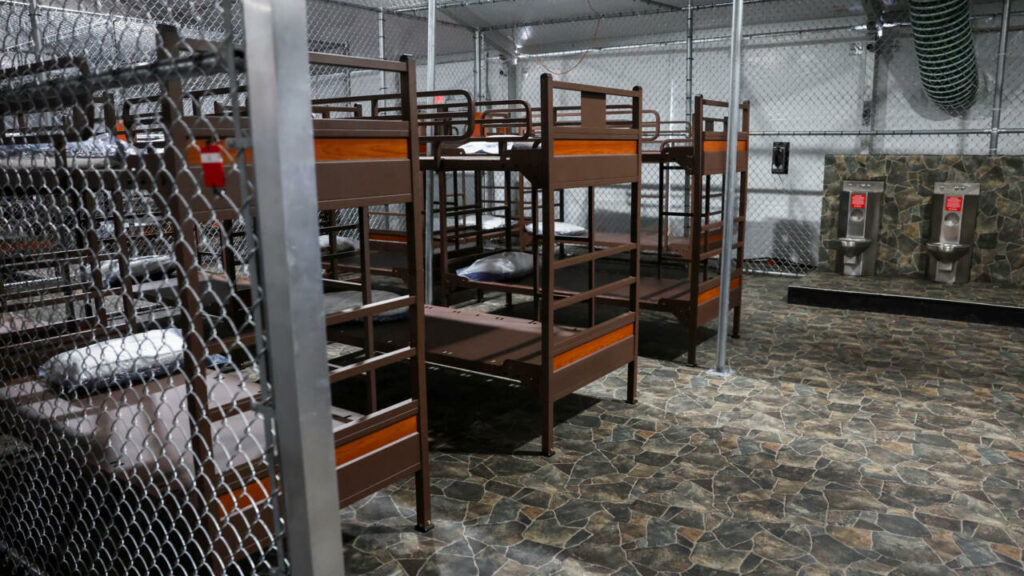
Lawmakers who toured the facility described seeing detainees packed tightly in cages, with multiple people sharing small sinks and toilets. Many expressed concern over the facility’s impact on the health and well-being of those held there.

Environmental and Indigenous Concerns
The location of Alligator Alcatraz in the Everglades raised immediate red flags for environmental groups and the Miccosukee Tribe of Indians of Florida. The Everglades is a sensitive ecosystem home to endangered species, mangrove forests, and wetlands that provide essential services to millions of Floridians.
The court cited:
- Habitat destruction affecting endangered panthers and other wildlife.
- Disruption of traditional hunting, fishing, and plant collection practices of the Miccosukee Tribe.
- Artificial lighting and paved areas altering the natural environment and displacing animals.
- Risks of wastewater and runoff contaminating nearby water supplies.
Judge Kathleen Williams emphasized that federal and state authorities violated environmental statutes by failing to conduct proper impact assessments before construction.
Inhumane Conditions at the Facility
Alligator Alcatraz has drawn criticism for its treatment of migrants, with reports describing harsh and unsafe conditions:
- Detainees confined in crowded cages, sometimes 32 people per enclosure.
- Limited access to functional toilets and clean drinking water.
- Exposure to sweltering heat and insect infestations.
- Restricted access to medical care and outdoor spaces.
- Insufficient food and living conditions that risk the physical and mental health of detainees.
Lawmakers visiting the site described the center as “hellish” and warned that it could become a model for similar facilities across the country.
Political and Legal Implications
The closure of Alligator Alcatraz challenges the Trump administration’s aggressive immigration enforcement strategy. Florida Governor Ron DeSantis has defended the facility and announced plans for new detention centers, including a backup site near Gainesville. Federal and state authorities have filed appeals in hopes of delaying or reversing the closure.
Environmental and immigrant rights groups remain optimistic that the courts will uphold the ruling, citing both human rights and ecological concerns. Meanwhile, Congress members and tribal representatives continue to advocate for the protection of detainees and preservation of Indigenous lands.
Moving Forward
The fate of Alligator Alcatraz remains uncertain as the appeals process unfolds. Advocates urge that even if new detention facilities open, lessons from this ruling should guide stricter oversight and humane treatment standards. The case underscores the intersection of immigration enforcement, human rights, and environmental protection, raising questions about how far governments should go in pursuing deportation objectives.
The ruling against Alligator Alcatraz may set a precedent for future challenges to similar facilities nationwide, ensuring that both human dignity and environmental integrity are considered in the construction and operation of detention centers.
Stay Connected