What is Wildtype?
California-based food tech startup Wildtype is making waves in the culinary world with its cultivated coho salmon. By growing cells from Pacific salmon in controlled tanks, the company produces sushi-grade salmon that does not require killing a single fish. The process combines plant-based ingredients to mimic the structure and texture of conventional salmon, while adhering to strict temperature, pH, and nutrient conditions to replicate natural growth. The FDA approved Wildtype’s salmon in late May 2025, marking it as the first cultivated seafood product cleared for public consumption in the United States.
Wildtype has partnered with high-end restaurants across Oregon, California, Washington, and Texas, allowing diners to experience its lab-grown salmon prepared by award-winning chefs. These chefs emphasize the sustainable, animal-friendly nature of the product while highlighting that it tastes remarkably like conventional salmon.

Why Some Are Skeptical
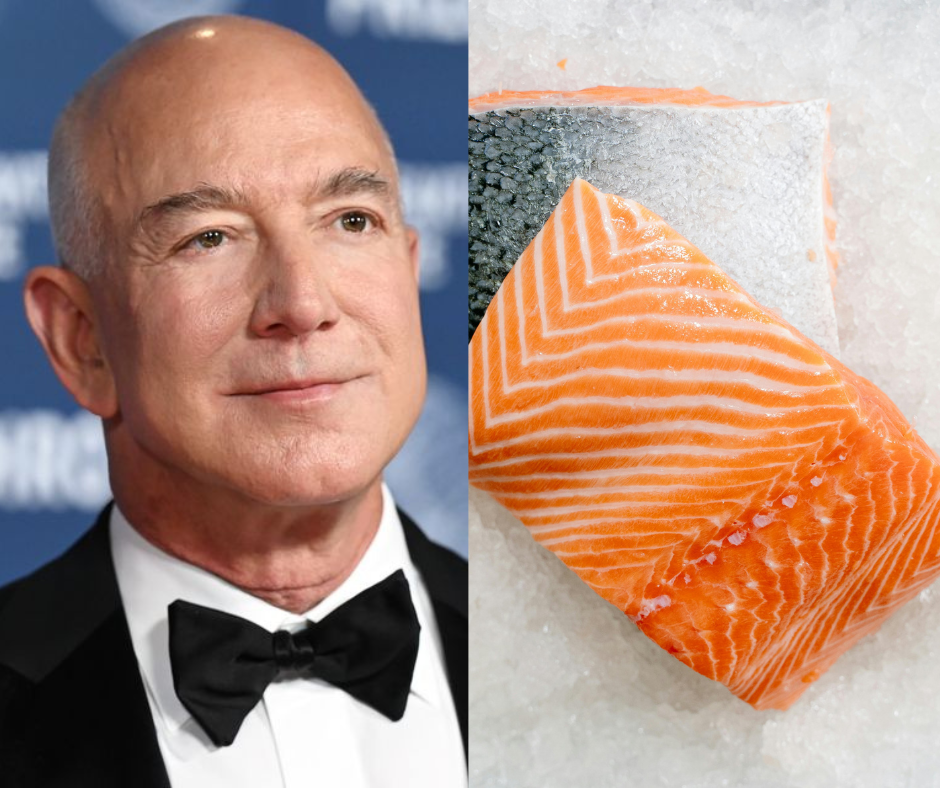
Despite FDA approval and celebrity backing from Jeff Bezos, Leonardo DiCaprio, and Robert Downey Jr., skepticism surrounds Wildtype. Critics question whether lab-grown salmon can truly match the nutritional, taste, and environmental claims made by the startup. Concerns include:
The reliance on proprietary lab techniques without independent third-party testing.
The use of plant-based additives may alter flavor or texture.
Potential regulatory gaps, as FDA approval did not require animal trials.
Long-term consumer acceptance of lab-grown seafood.
Some worry that the product may be “too good to be true,” especially given the hype and high price points at fine-dining establishments. With tasting menus ranging from $119 to $250, only a small portion of the public has experienced Wildtype salmon firsthand.
Wildtype’s Potential Impact on Seafood and Sustainability
Advocates of Wildtype argue that lab-grown salmon could revolutionize seafood consumption. Traditional salmon farming has faced scrutiny for pollution, overfishing, and environmental damage. Wildtype offers a potential alternative that reduces pressure on wild fisheries and avoids harming marine ecosystems.
The company has positioned itself as part of a broader movement toward cultivated proteins, complementing other startups working on lab-grown chicken, pork, and beef. The key potential benefits of Wildtype include:
Preserving wild salmon populations.
Reducing environmental impact from fish farms.
Providing a consistent and traceable product.
Catering to flexitarian and environmentally conscious consumers.
Should Consumers Trust Wildtype?
The decision to trust Wildtype depends on individual risk tolerance and values. While the FDA has confirmed the product is “as safe as comparable foods produced by other methods,” some consumers remain wary of the lack of independent testing. On the other hand, early adopters and chefs report that Wildtype salmon tastes indistinguishable from conventional salmon, suggesting that the technology can meet culinary expectations.
For those prioritizing sustainability, animal welfare, and environmental preservation, Wildtype presents a promising option. However, broader acceptance will likely hinge on price accessibility, transparency in production, and continued regulatory oversight to ensure safety and consistency.
Looking Ahead
Wildtype plans to expand its salmon offerings to additional restaurants in the U.S. and eventually enter retail markets. As cultivated seafood gains traction, it will likely face both regulatory challenges and competition from traditional and other lab-grown seafood producers. The company’s trajectory could redefine how Americans consume salmon, potentially paving the way for a more sustainable seafood industry while raising questions about food innovation, trust, and ethics.
Stay Connected