A Memorial Erased in the Night
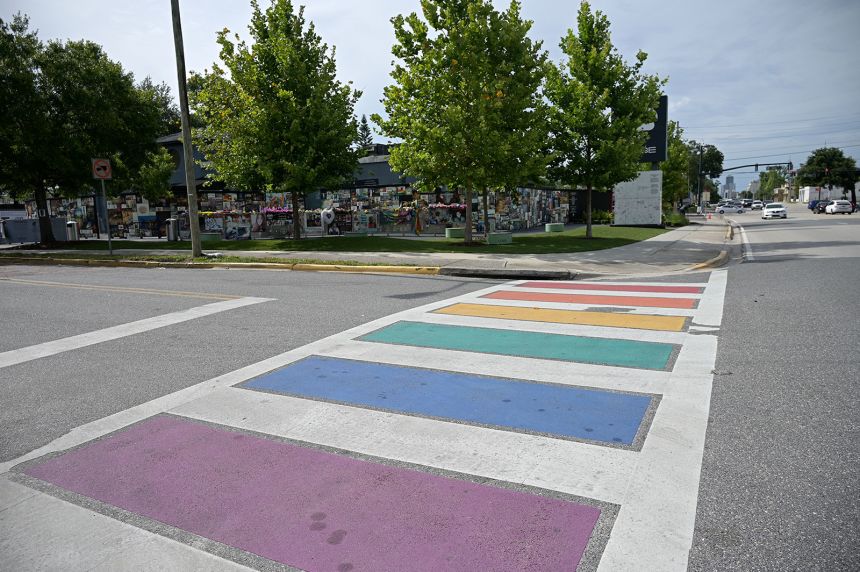
In August 2025, the Trump administration faced fierce criticism after the removal of a rainbow crosswalk in Orlando, Florida, that had served as a public memorial to the 49 victims of the 2016 Pulse nightclub shooting. Painted over in the middle of the night without public discussion or safety justification, the removal has been widely condemned as a political act targeting the LGBTQ community.
Local leaders, including Orlando’s mayor Buddy Dyer, described the decision as “a cruel political act” and a betrayal of the commitment to honor those lost in the tragedy. Survivors and advocates also decried the erasure, noting that the crosswalk served as both a visual reminder of the massacre and a symbol of resilience and solidarity for the LGBTQ community.
The Pulse Nightclub Shooting and the Memorial’s Meaning
The Pulse nightclub shooting on June 12, 2016, remains one of the deadliest mass shootings in American history. A gunman opened fire inside the LGBTQ nightclub, killing 49 people, wounding 53 others, and then police killed him.
The rainbow crosswalk, installed in 2017, was one of several efforts to ensure the victims’ lives were remembered. Its removal has reopened wounds for survivors and families of the victims, who see the act as an intentional attempt to erase LGBTQ history and silence the community’s grief.

A Pattern of Attacks on LGBTQ Rights
The Trump administration’s decision fits into a broader record of policies and actions widely seen as hostile to LGBTQ Americans. Florida, under Republican leadership, has already introduced restrictive laws affecting LGBTQ people, including efforts to curtail gender-affirming care and limit classroom discussions of LGBTQ topics.
At the national level, the administration has:
- Rescinded federal protections for transgender students.
- Attempted to ban transgender individuals from serving in the military.
- Supported state-level laws restricting LGBTQ healthcare.
- Used federal agencies to roll back non-discrimination policies.
Taken together, these moves highlight a consistent effort to weaken visibility, rights, and protections for LGBTQ people, with the crosswalk removal serving as the latest symbolic blow.
Community Outrage and Response
For many in Orlando and beyond, the rainbow crosswalk represented more than paint on the road—it pledged to keep the victims of Pulse alive in memory. Survivors, activists, and local officials immediately condemned the removal. Brandon Wolf, a Pulse survivor and national spokesperson for the Human Rights Campaign, described the act as an attempt to “erase our show of solidarity.”
What Communities Can Do
In response to the removal and broader anti-LGBTQ measures, advocates have urged communities to:
- Organize Vigils and Memorials: Continue honoring the lives of victims through public gatherings and remembrance.
- Lobby Lawmakers: Pressure local and national officials to protect LGBTQ rights.
- Support LGBTQ Organizations: Provide funding and resources to groups fighting for equality and visibility.
- Educate the Public: Ensure that schools, libraries, and cultural institutions preserve the history of the Pulse shooting and other LGBTQ struggles.
Moving Forward
The removal of the rainbow crosswalk is more than a local controversy—it represents a larger struggle over memory, visibility, and equality in America. While the Trump administration and its allies argue that such displays are “political,” for LGBTQ communities, they are personal and deeply tied to survival, dignity, and healing.
The Pulse nightclub shooting remains a national tragedy that continues to shape conversations around hate crimes, gun violence, and LGBTQ rights. Attempts to erase its symbols will not erase its impact, nor will they silence the communities who continue to honor the victims.
The fight now is not just about restoring a painted crosswalk but ensuring that LGBTQ voices remain visible and that their rights are safeguarded against further political attacks.
Stay Connected