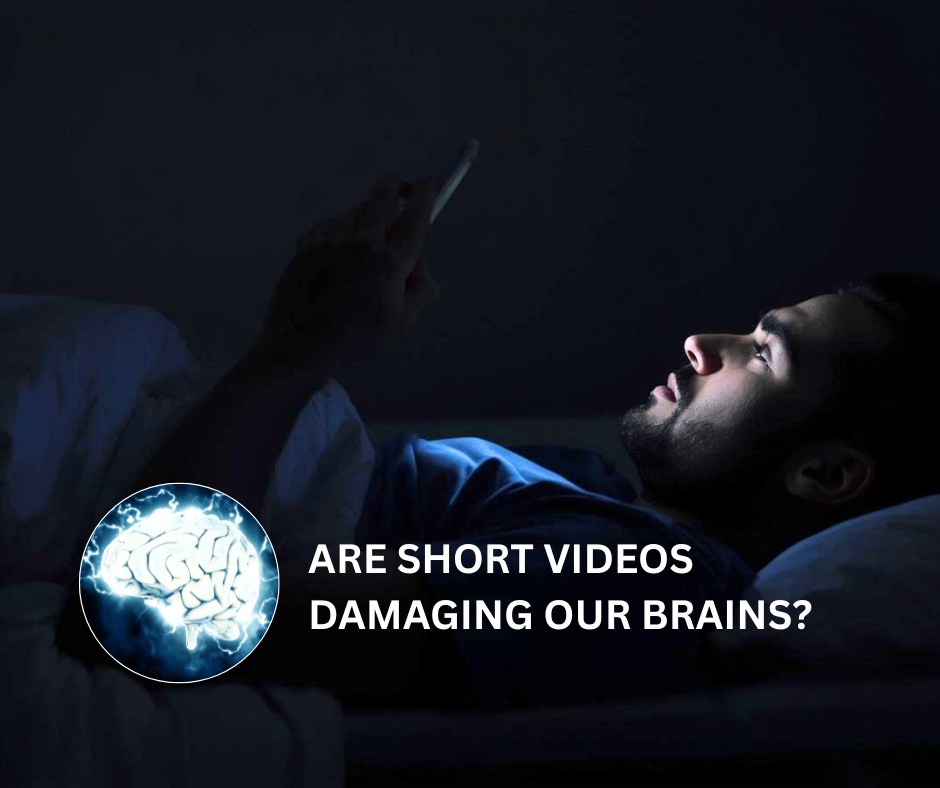
Why Short-Form Videos Dominate Attention
Short-form videos dominate digital platforms because they are quick, engaging, and addictive. TikTok, Instagram Reels, and YouTube Shorts design their content to capture your focus in just seconds. Every swipe delivers a new surge of novelty, which triggers a rush of dopamine.
However, constant dopamine hits reshape how your brain functions. The longer you binge these clips, the harder it becomes to focus on slower, more meaningful tasks.

How Short Videos Affect the Brain
Research now shows that overconsumption of short-form content harms attention, memory, and decision-making. Unlike alcohol, which damages the body over time, short videos rewire the brain’s reward system. This rewiring makes normal life feel dull and unrewarding.
In fact, EEG studies confirm that heavy short-video users show weaker brain activity in areas linked to focus and self-control. As a result, they struggle with concentration, impulse control, and deep thinking.
Signs of Short-Form Video Addiction
The brain craves instant rewards when you scroll endlessly. This addiction often leads to:
- Shorter attention spans
- Impulsive decisions
- Difficulty finishing tasks
- Mental fatigue and brain fog
If you notice these patterns, your video habits may already affect your brain’s executive control systems.
Why Attention Suffers
Attention acts like a mental spotlight, helping you learn, think, and solve problems. Short-form videos disrupt this spotlight. The brain begins expecting every task to deliver quick rewards, like a three-second clip.
Because of this shift, activities that demand patience—such as reading, studying, or even having long conversations—feel harder. Over time, the ability to focus deeply weakens.
Impact on Decision-Making
Studies also reveal that short-video addiction reduces sensitivity to real-world consequences. Normally, humans avoid risks because losing something feels worse than gaining. This natural filter protects decision-making.
But when addiction lowers this sensitivity, risky and impulsive choices increase. In simple terms, constant swiping makes the brain chase quick rewards, even when the costs are high.
How Processing Slows Down
Another damaging effect involves slower mental processing. Brains overloaded with short videos gather information less efficiently. Everyday choices take longer, and simple decisions feel overwhelming.
This slowdown creates frustration and can reduce confidence in problem-solving skills.
Breaking the Cycle
Escaping the short-video trap requires small, intentional steps. Try these strategies:
- Set daily time limits for apps like TikTok or Instagram.
- Replace scrolling with mindful breaks, such as short walks.
- Embrace boredom and give your mind time to wander.
- Ask yourself why you want to open the app before tapping it.
These actions help reset your brain’s reward system and restore focus.
Conclusion: Protecting Your Mind from “Brain Rot”
Short-form videos may seem harmless, but their long-term impact is serious. They train your brain to demand constant stimulation, making real life feel slow and unrewarding. As attention weakens and decision-making declines, the damage becomes harder to ignore.
By limiting exposure and practicing mindful habits, you can protect your brain from digital overload. A healthy mind thrives on balance, not endless scrolling.
Stay Connected