Home Blog Page 76

Counterfeit iPhone 6s Already On Sale In China

As most people know by now, Apple’s highly anticipated iPhone 6s and 6s Plus goes on sale today. Millions of people already pre-ordered the phone, so we will have to wait until Monday to see how the weekend’s sales measure up to last year’s sales of the iPhone 5 and 5s. In the meantime, workers in China are busy creating counterfeit models of the new iPhones – and the fakes are selling like hotcakes.

In fact, on the same day that the new phones were released in Hong Kong and China’s mainland, high quality knockoffs were already being sold for less than $100 – which is about one-eighth of the price of the real thing.

Hong Kong prices for the real deal are slightly less than those on the mainland. For example, in Hong Kong, prices for the true iPhone 6s and iPhone 6s Plus are about $721 and $1,000 respectively. On the mainland, the prices are about $829 and $1,080 respectively.

However, in Shenzhen’s Huaqiangbei shady market district, the counterfeit phones are selling for between $91 and $99. Tang Shouquan, a seller of counterfeit Apple products at one of the area’s local shops, stated that, “These are the first batch the factories have cloned to Apple’s advertising pictures. They will get the genuine model from Hong Kong today and immediately adjust the color and shape to make the second batch an even better imitation.”

As of now, the iPhone’s new rose gold color is not yet available as a counterfeit. But as Shouquan notes, “We expect to have a rose gold version in a few days.”

The counterfeits apparently are very good and hard to distinguish from the real things. The fakes run on the Android operating system but are made to look like they are running on Apple’s iOS.

Shouquan noted that most of the counterfeits will be sold to customers from smaller towns across the country and points out that, “There is a huge market for fake iPhones in the Chinese hinterlands. People there dream of possessing world-class products but most people who come from rural areas that’s all it is – a dream. They can’t afford to buy them.”

Presently, possessing an iPhone is a major status symbol in China. Along with designer handbags and shoes, having an iPhone is considered a personal success. Some companies even sell fake Starbucks thermoses and mugs so that people who cannot afford the real drinks can pretend that they are.

Shouquan also points out that competition among counterfeiters is growing. “Prices are . . . getting lower because the competition [in China] is so intense . . . [N]ow it’s hard to make that much money because the competition from all the cheaper Chinese smartphone brands is so fierce. We used to charge [$314] for a fake iPhone 4s. Now we sell the 6s for about a quarter of that.”

One things is sure – the lines for the counterfeits are getting as long as the lines for the real deal.


Researchers Develop Data Analytics Methods to Predict Where ISIS Will Attack Next

In one of the latest displays of the military applications of data analytics, researchers are developing the ability to predict where rebel groups like ISIS will strike next. Based on 2,200 recorded incidents of the group’s activity last year, Arizona State University professor Paulo Shakarian has created an algorithm to do just that.

One of the patterns that was detected was the relationship between air strikes in Syria, and mass arrests by ISIS. When these air strikes were conducted by Syria, ISIS would respond with mass arrests, due to their suspicion of informants within the population. However, coalition air strikes are known by ISIS to be a result of satellite imagery and NSA surveillance, and so they do not bother with the arrests.

Qatar’s Computing Research Institute (CRI) in Doha has developed a Twitter-focused algorithm that has the capability of predicting with 87% accuracy, which users will turn out to be ISIS supporters, before they express an opinion either way.

According to the CRI, one interesting finding was in relation to the Arab Spring.

“The key story that emerges is one of frustration with failed Arab Spring revolutions. Isis supporters largely differ from Isis opposition in that they refer a lot more to Arab Spring uprisings that failed…As for opposition to Isis, it is linked with support for other rebel groups, mostly in Syria, that have been targeted by Isis, support for existing Middle Eastern regimes, and Shia sectarianism.”

As part of its Minerva initiative, the Department of Defense has invested $8 million towards social science research projects similar in nature to those of professor Shakarian. One of these programs also incorporates Twitter, but instead of merely digesting the content of user postings, it attempts to shape insurgent behavior in a delicate propaganda move.

Through recognition of the types of postings that go on to become viral, the system then inserts its own waves of artificial posts in an attempt to shape the dialogue.

Arizona State University’s co-director of the Center on the Future of War, Daniel Rothberg, commented on the new capabilities, “We’ve seen a really substantial shift in how war and conflict are managed in regards to information in recent years…What is kind of radical is the power of analytics. We don’t even know where it’s going because this is so new.”

Trump’s Polls Slip Following Second Debate, Opponents Pick Up Slack

Donald Trump’s honeymoon period with potential voters may finally be ending, as his poll numbers displayed a slight drop following last week’s Republican debate. Trump’s characteristically brash attitude that evening was more subdued, but it is uncertain whether that is due to an intentional shift to a more serious tone by the candidate, or a result of campaign fatigue.

With Trump leading at 25%, his top two contenders for the nomination, Ben Carson and Carly Fiorina, both saw their poll numbers rise to 17% and 12%, respectively. The Quinnipiac poll released on Thursday showed Jeb Bush coming in fourth at 10%.

Speaking at a rally on Wednesday, one of Trump’s supporters noticed his more subdued manner in last week’s debate, “I wanted him to be more forceful. I wanted him to shut them down.”

Because Trump didn’t have the edge of being the wild card as he did in the first debate, the other contenders were more prepared for his confrontational statements. Carly Fiorina was able to gain much applause when she responded to Trump’s “look at that face” comment he had made in the days leading up to the debate.

Political pundits have long referred to Trump’s campaign as a circus, or sideshow, only to see his polls continue to rise throughout the summer. Similarly, the numerous Republican candidates still in contention for the nomination often refer to him as an unserious candidate, and that voters will soon calm down and put their support behind someone “serious.”

Wisconsin Governor Scott Walker recently stepped out of the race and made a plea that other low-polling candidates do the same, so that Trump’s closest opponents can gain some points.

Trump countered the claims that interest in his campaign was waning by citing competing polls such as Zogby, NBC, and Reuters.

Later Eating Habits Causing Americans To Put On More Pounds

People are eating food later than our bodies are used to, and it is making people gain weight as a result.

Scientists from the Salk Institute for Biological Studies obtained information from volunteers who utilized a smartphone application to report all the foods and beverages that they had consumed, along with times of their intakes.

According to the results, people are eating later than ever before. Scientists believe that people reverting to a more “traditional” eating schedule might help them lose weight.

The data showed that most people spread their consumption of food over a period of 15 hours or longer each day. On average, most people took in fewer than 25% of their calories before noon, but more than 33% of their calories came after 6 pm.

Scientists believe that this trend is caused by extremely convenient access to food at any hour of the day, thanks to refrigeration and easily accessible eating establishments. The innovations have led to an excessive intake of calories by humans.

It wasn’t this easy for our ancestors.

Study co-author Shubhroz Gill says, “Our ancestors spent some calories trying to get calories, now we don’t do that anymore. If you want a chicken sandwich, you just go and pick it up. But the main point for our paper is that not only are we consuming excess calories, we are consuming them later in the day. We don’t have a way to measure this, but it’s almost certain that our ancestors weren’t staying up until 1 a.m. and consuming a lot of calories.”

According to Gill, the shift in times of consumption is a problem since our human metabolism experiences a series of highs and lows throughout the cycle of a day. These highs and lows have been established by evolution to line up with the environment around us. However, due to technological innovations, this schedule has been thrown out the window.

Gill says, “We are not supposed to be consuming food at night, that’s how our bodies have evolved, but now we are sort of forcing our bodies to have food when they aren’t supposed to.”

In other words, we’re eating off-schedule.

Gill and his colleagues believe that people eating on a more traditional schedule might fix the problem. The researchers conducted an experiment, in which overweight people were asked to eat only during restricted hours.

By eating during restricted hours, the group lost an average of eight pounds over the course of 16 weeks, without otherwise changing their lifestyle. Additionally, the participants in the experiment claimed that they were happier afterwards.

The participants were not requested to change the type or amount of food they consumed. It is possible that they consumed less by eating over a shorter time period. Furthermore, the group also said that they experienced better sleep, which may have influenced the results.

Gill noted, “We don’t know the mechanism, but we do know that at least in this very small group it seemed to work.”

Another possible factor is that participants had to photograph what they were putting into their bodies. Because of this, there was no hiding when it came to recording consumption.

“You can lie on a food diary when you write down what you’re eating, but when you have to take a picture of it, we’re getting a much higher quality look at exactly what people are consuming,” said Gill.

While there needs to be more research, Gill and his colleagues may have uncovered a major cause of the obesity epidemic.

So, the next time you want to eat something, make sure it is during reasonable hours.

Rising Global Temperatures May Have Lead To Evolutionary Adaptation In Colorado Bees

As global temperatures slowly rise due to climate change, one of the impacts has started to reveal itself within bee populations being studied in Colorado. Although their population has been declining in recent years, they have also displayed what could be evolutionary adaptation as they compete for flower nectar.

Canadian and American scientists researched two species of alpine bumblebee, the Bombus balteatus and the Bombus sylvicola. Starting with specimens as far back as 1966, comparisons were made to specimens collected between 2012 and 2014. The researchers discovered that the tongue lengths of these two species declined around 25% over the period.

These alpine bees are known to prefer a species of plant that possess a long tubular petal. The longer petal tended to prevent access to the nectar except for creatures able to reach it, like the historically longer tongues of the alpine bees.

As these flowers habitat shifted further up the mountains with rising temperatures, the decreased available area has led to an associated drop in this species of flower. This has led to a 60% drop in food sources for these bees when compared to data from the 1970s.

The scientists then suggest that the bees have been in greater competition for flowers that do not possess the longer petals of their preferred species, and as a result, the bees have developed shorter tongues.

If these bees shorter tongues leads to them being unable to pollinate their formerly favorite flower species, it could then lead to further declines in the flower population. That has not happened yet, as this particular species lives many years.

Climate scientists often warn that the seemingly small impacts of climate change such as this study of mountain bees, will eventually turn into major impacts as a result of a domino effect. These concerns have also been directed at the ability of oceanic coral and shellfish to form their shells, as the carbon content of seawater rises.

Scientists Manipulate Plants to Produce Critical Medications

Plants are the source of many important medications. But when the plants that are needed are expensive or difficult to find, it can become a major problem for pharmacists. However, one Stanford scientist has come up with a potential solution to this issue.

Professor of Chemical Engineering Elizabeth Sattely has discovered how to isolate the molecular producing material of an endangered or rare plant and assemble it within another plant, perhaps one that is more readily available.

Professor Sattely says, “This was a challenge, because plants are pretty complicated. They’re pretty difficult to work with. Their genomes are very complicated.”

The professor and her team worked with a plant known as the mayapple, which is from the Himalayas. The mayapple produces precursors, or derivatives, of a drug called etoposide, which is a chemotherapy drug used to treat many types of cancers. Etoposide is on the World Health Organization’s list of essential medicines.

Unfortunately, the mayapple grows slowly, and its supply has been declining for the past several years.

Sattely and her team tried out many combinations of the plant’s proteins until they were able to determine which proteins produced the etoposide precursors.

The scientists then placed the proteins into a different plant, in this case a wild relative of tobacco, Nicotiana benthamiana. This plant is widely available and easy to grow.

The experiment was a success, as the plant started producing the etoposide precursor.

Professor Sattely eventually hopes to make microbes, such as yeast, produce useful molecules. Such innovations have been enlightening the science community in recent times.

For instance, earlier this week, German Scientists figured out how to make modified yeast produce THC, which is best known as the chemical that “gets you high” when you smoke marijuana. Meanwhile, another group of scientists from Stanford have made yeast produce hydrocodone, an opioid used to treat pain.

Such breakthroughs figure to make drugs less expensive and more accessible.

Using yeast to produce drugs is simpler and less costly than using regular plants. The supplies involved are very inexpensive, and the yeast can be endlessly manipulated.

For now, Sattely is very optimistic about this new technology.
“The promise of the field of synthetic biology is that you can get cells to make or do anything you want,” she says.

People Are Preserving Tattoos For Future Generations To Enjoy

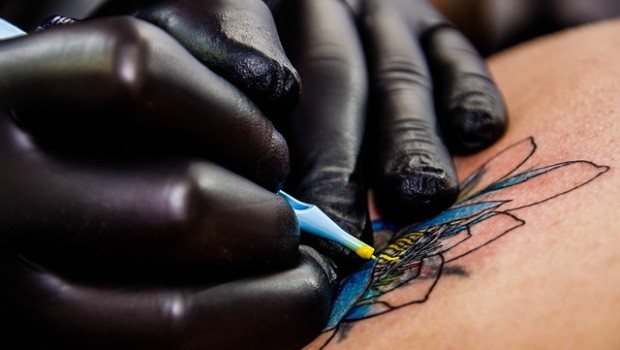
Tattoos are big business in the United States, as one in five American adults have at least one tattoo, while the industry’s revenues are expected to exceed $722 million this year. Now the industry offers a revolutionary new service in the preservation of tattoos after death.

The National Association for the Preservation of Skin Art is offering a service called Save My Ink. The service allows tattooed individuals to offer their body art to recipients in their wills.

Once a subscribing person passes on, the company will send a tattoo removal kit to the corresponding funeral home. The tattoo will then be removed and sent to the NAPSA for preservation and framing.

While some people might not be fond of the idea of passing on preserved skin, the association says that passing on tattoos suggests that you have a legacy that deserves living on, and the service lets you define yourself before others try to define you.

Their website also includes a gallery of the preservations from former customers. None of the former customers were alive to comment on their experience.

Other groups are also getting involved in the tattoo preservation business. In 2014, a Dutch tattoo artist started a group known as the Foundation for the Art and Science of Tattooing, and one of their practices is preserving tattoos for historic purposes.

It turns out that the idea of preserving tattoos has actually been around for centuries. In the 1920s, American businessman and philanthropist Harry Wellcome bought a massive collection of 19th century tattoos that were preserved and collected by a French man. Wellcome’s personal stash of tattoos can be seen at the London Science Museum to this very day.

United States citizens spend $1.65 billion on tattoos every year. Over 21,000 tattoo parlors exist in the United States. Only 17% of people who get a tattoo regret doing so.

US Ranks Dismal 55th In World For Mobile Data Speeds

The United States is widely recognized as a potential world super power. That doesn’t mean the country has fast cell phone speeds.

The United States is currently the 55th best country in terms of 4G LTE performance. The country has fallen from 43rd in the previous quarter. The drop comes as speeds are rapidly increasing in countries that adopted the technology somewhat later on.

As of now, average download speeds on 4G networks in the country are 10 Mbps. This is an improvement from last quarter, when networks of the United States only managed to achieve 9 Mbps. Meanwhile, other countries experienced much larger increases.

The United States became one of the initial countries with commercial LTE service in 2010 when Verizon Wireless launched its network. However, countries that launched the service later started with better technology. These countries have often obtained more frequencies and other enhancements that carriers in the United States have not yet obtained.

Leading the pack was New Zealand, with speeds of 36 Mbps.

Other countries known for their fast cell phone speeds performed well. Singapore had 33 Mbps, while South Korea achieved 29 Mbps.

Some other countries to beat the United States included Hungary, the Dominican Republic, and Morocco.

However, it isn’t all bad for the United States. American smartphone users are on LTE 78% of the time, which was good enough for 10th place in terms of “time coverage”. Meanwhile, a country like Morocco might have fast LTE, but they can’t access it half of the time.

Another factor slowing the United States down is the fact that a large number of people access the networks offered by major carriers. So many users in the United States are fighting for network activity that it slows the LTE service down.

However, some countries are considerably outperforming the United States. For example South Korean users experience LTE service 97% of the time.

While there was international competition, there was also domestic competition between carriers. Verizon led the way, offering LTE coverage 84% of the time. AT&T came in second with 81%. Next was T-Mobile with 77%. Sprint managed just 64%.

When it came to speeds, Verizon and T-Mobile tied at 12 Mbps. AT&T achieved an average of 8 Mbps. Sprint was last of the major carriers with 6 Mbps.

The data was collected from a company called OpenSignal. The company offers a free app that users can utilize to measure their speed. The results from this latest quarter were from more than 300,000 worldwide users.

Oculus Announces New Samsung Gear VR Headset at Virtual Reality Conference

In collaboration with the virtual reality firm Oculus, Samsung announced the release of its $99 VR headset, the Samsung Gear VR, at the Oculus Connect conference this week. The new offering from Samsung will help to increase public exposure to the capabilities of virtual reality, as Facebook-owned Oculus prepares to release its premium model headset in early 2016, the Rift.

The new model puts the technology within reach of more consumers in time for Black Friday, and will work with all 2015 Samsung smartphones. Samsung’s previous model sold for double that of the new device and was also not compatible with as many phones.

Facebook’s purchase of Oculus last year was partially a recognition by Zuckerberg that VR’s potential was not limited to the gaming consumer. The new Gear VR is capitalizing on this with the announcement of a Netflix app, in addition to a new platform called Oculus Video.

Oculus Video will offer films from Fox and Lionsgate studios, as well as video game live streaming using Twitch. Both Oculus Video and Netflix will be available on the Rift, following its release. The Oculus Rift has been greatly anticipated by gaming consumers, but will also require connection to a gaming computer.

CTO at Oculus, John Carmack, commented on the appeal to movie-goers who may not have considered the technology for film viewing, “In many conditions the ‘best seat in the house’ may be in the Gear VR that you pull out of your backpack.” Users will essentially feel like they are sitting in front of a theater-sized screen.

Facebook first began releasing 360-video on its website earlier this year, which users could explore using just their smartphones. With a more affordable VR option now available, as well as a growing list of content from new media partnerships, we may be one step closer to the Matrix.

New Test Makes Diagnosing Celiac Disease Unimaginably Easier

Diagnosing celiac disease will be way less painful and expensive thanks to the discovery of a groundbreaking test that only requires a blood sample.

Treating for celiac disease has been made complicated by the fact that testing for it is a complex process involving multiple medics and intrusive technological equipment. Patients can now breathe a sigh of relief as technology has created a simpler alternative.

Researchers at the University of Oslo, Faculty of Medicine have come up with a new method of diagnosing celiac disease that only requires a patient’s blood sample. The sample analysis will reveal whether a patient is suffering from the disease.

Celiac disease causes the human immune system to confuse gluten with bacteria or viruses, triggering the immune system to attack it. The attack causes the intestine to bloat in an auto-immune reaction. In the process, intestinal lining and internal tissues are damaged, causing the patient to suffer from weight loss, stomach pains and reduced nutrient absorption.

Previously, testing for the disease involved taking a blood sample and tissue sample from the small intestine. The sample was taken through a procedure that involved passing a medical tube into the body through the throat all the way down to the small intestine. The procedure is extremely unpleasant and for children, an anesthetic is required.

The new research works by analyzing HLA molecules contained in the duodenum. HLA molecules are representatives of what a patient consumes and also what is in the cells. According to Asbjorn Christophersen, a postdoctoral fellow at the Faculty of Medicine at the University of Oslo, “When the food that you eat enters the small intestine, it is reduced to tiny fractions and presented to the T cells on so-called HLA molecules. The task of the T cells is to monitor cells to see if they are infected by viruses or bacteria.”

In the new test, a blood sample is exposed to reagents that bind themselves to T cells in the sample. Magnetized antibodies are then introduced to the sample, also binding themselves onto the reagents.

Christophersen said, “When we allow blood cells to flow through a magnetic column, the cells that react to gluten remain suspended in the column while all the other cells flow through it. We observe that celiacs have a much higher number of gluten-reactive T cells in their blood than non-celiacs.”

The research shows that celiacs can be diagnosed much simpler and faster, without great inconvenience on their part. However, the researchers are skeptical the test may be made available any time soon as it has to undergo more testing and approval by the authorities.

Celiac disease prevalence has been on the rise. Many celiacs do not know they have the disease since its testing is costly and complicated. The new test will offer thousands of celiacs relief from medical bills and intrusive procedures that were a headache before.

Endangered Baby Rhinos Captured On Camera

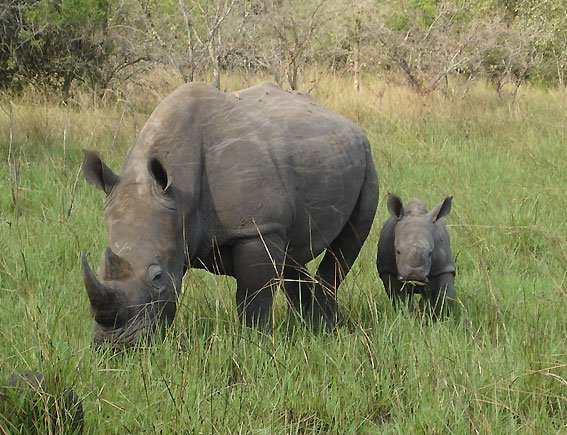
There is a ray of hope for animal conservationists as three new Javan rhinoceros calves have been identified in Indonesia’s Ujung Kulon National Park. The park is the final safe haven for the Javan rhino, which is critically endangered.

As of now, there are only 60 Javan rhinos left in the world. And while that number seems small, keep in mind that the population was down to 30 living Javan rhinos about 50 years ago.

Like with most endangered species, years and years of poaching and the destruction of their natural habitats have caused the number of Javan rhinos to require protection. As a result, the remaining, living Javan rhinos are now roaming Ujung Kulon.

The new videos of the three baby Javan rhinos, captured by cameras placed throughout the park, provide good news. Barney Long, director of species conservation for the World Wildlife Fund for Nature (“WWF”), says that the presence of the baby rhinos “is evidence that Javan rhinos are reproducing in the wild. I think the key thing to remember is that rhinos are recovering. The videos demonstrate that with the right conservation measures, you get more babies.”

Despite the promising news, a lot of issues remain regarding the sustainability of the species.

An unfortunate reality is that Ujung Kulon is located very close to the active Anak Krakatau volcano. A major volcanic eruption or explosion could wipe out the entire Javan rhino population in an instant.

Another problem that is facing conservationists is that with 60 rhinos living in the park, it is just about at capacity. If many more rhinos are placed in the park, there is a real concern that they will not be provided with adequate space and resources. A large population of rhinos in one area also slows down the rate of reproduction. For example, a female rhino typically gives birth to one calf every three to five years. However, when the population is dense, that number declines. In order to prevent this from happening, WWF is researching options to provide another home for the endangered species.

WWF is also encouraging local people and hiring rangers to protect the small population from poachers. Long points out that, “We need a lot more attention paid to this species. We can recover it, and we know how to recover it . . . we just need to make sure the world is paying attention.”

Pentagon Considering Commercial Cloud Based Email System

If you think you get more than your share of spam emails, spare a thought for the Pentagon’s email system’s users. According to information just released, only 14 percent of the half a billion emails received through the system on a monthly basis, are legitimate.

The Director of the Defense Information Systems Agency (DOD), Lt. Gen. Alan Lynn said “Out of 700 million emails we’ll get in a month, only about 98 million are actually good emails. The rest are spam and worm attacks.”

Lynn said many of the emails are also “malicious password phishing attempts, full of viruses”.

Asked by reporters if the Defense Department will seek to move its unclassified email system to the cloud, Lynn said it was something which DOD would investigate.

He said last month when the DOD began seeking comment from stakeholders and industry experts about the best way to lower email costs and yet keep the system secure, many of the suggestions received recommended going to a cloud based format.

“Industry gets excited about the cloud until I tell them there’s a risk. We get attacked a lot. There’s a risk associated with that.” said Lynn, adding that although cost reduction will be a big factor in the Pentagon’s email system future, security “remains paramount”.

According to experts, the Pentagon has been developing its requirements and policies for cloud security and cybersecurity as it builds towards shared-services information technology in what it refers to as its “Joint Information Environment”.

According to David DeVries, the Pentagon’s principal deputy chief information officer, 19 DOD “cloud consumers” are already beginning to move unclassified sensitive tasks to secure commercial cloud platforms, with three initial implementations already operational”.

He said the email system could be next.

Internet Of Things Data Accessibility Is Becoming Major Concern

The question of how to protect Internet of Things (IoT) data is puzzling experts everywhere. This type of data is not currently regulated, and some people believe that it should be.

Anything with a Central Processing Unit (CPU) produces data. Computers, smartphones, tablets, and the new wearable devices all create data. All of this data gets collected somewhere. But it is uncertain who should be given permission to access this data.

Studies predict that there will be more than 60 billion data-producing devices worldwide by 2020.

While data collected from computers and personal smartphones is subject to some regulation, data collected from IoT devices is still unregulated.

Internet of Things refers to anything that is assigned an IP address and transfers data across a network. Usually it is associated with machine-to-machine (M2M) communication. IoT devices are often called “smart”, such as smart meters and smartphones.

Regulators are having a challenging time figuring out how to regulate data that comes from IoT devices.

For instance, smart meters collect data regarding the usage of water, electricity, and gas in a personal home. This data can be sent through a WiFi network. However, it is unknown who this data belongs to and who should have the right to access it.

Some argue that the data should belong to the person who generated the data, in this case, the homeowner. However, many people don’t know that they have the right to access this data. And even if they do, the process of accessing it is so troublesome that the vast majority of people would simply give up.

As a result, the data should available through a network that is accessible to customers rather than a private server that only the company running the smart meters is able to access.

Privacy becomes a major concern when determining the accessibility of data. It also becomes debatable as to when data can be deleted and permanently forgotten because you never know if someone will want to access it later.

In today’s day and age, safeguarding digital information is more important than ever before. However, making people unable to access data regarding their own lives is also the incorrect solution. Technology needs to find the appropriate balance in letting people know what is relevant to them, while also preventing security breaches that could jeopardize someone’s well-being.

Pope’s Congressional Address Directed Towards Everyone

At the highly anticipated, historic joint session of Congress this morning, where Pope Francis delivered a powerful, assertive message to lawmakers, there were some notable absentees from the room. Particularly, only a few of the Supreme Court justices were present.

Catholic justices Sonia Sotomayor, John Roberts and Anthony Kennedy were present as was Jewish justice Ruth Bader Ginsburg. Absent were conservative justices Samuel Alito, Antonin Scalia and Clarence Thomas, all of whom are Catholic. Also absent were Jewish justices Elena Kagan and Stephen Breyer.

Speculation as to why so many justices were absent seems to be related to the knowledge that Pope Francis planned on delivering a mostly political message – that would likely make the Left slightly more happy than the Right. However, his address did have something for everyone.

The Pope called on Americans to allow for religious freedoms while at the same time rejecting religious extremism. He expressed his wishes that the United States end abortion as well as the death penalty. He also directed Americans to fight climate change, accept as many Syrian refugees as possible, use technology only for the common good and to redistribute wealth.

As far as a few highlights from the Pope’s powerful address, it is best to use the Pope’s words themselves.

With respect to political and religious extremism, Pope Francis stated that, “We know that no religion is immune from forms of individual delusion or ideological extremism. This means that we must be especially attentive to every type of fundamentalism, whether religious or of any other kind. A delicate balance is required to combat violence perpetrated in the name of a religion, an ideology or an economic system, while also safeguarding religious freedom, intellectual freedom and individual freedoms. But there is another temptation which we must especially guard against: the simplistic reductionism which sees only good or evil; or, if you will, the righteous and sinners.” Very powerful words.

With respect to the current refugee crisis, the Pope expressed that, “Our world is facing a refugee crisis of a magnitude not seen since the Second World War. This presents us with great challenges and many hard decisions. On this continent, too, thousands of persons are led to travel north in search of a better life for themselves and for their loved ones, in search of greater opportunities. Is this not what we want for our own children? We must not be taken aback by their numbers, but rather view them as persons, seeing their faces and listening to their stories, trying to respond as best we can to their situation.”

With respect to immigration, the Pope stated that, “We, the people of this continent, are not fearful of foreigners, because most of us were once foreigners. I say this to you as the son of immigrants, knowing that so many of you are also descended from immigrants. Tragically, the rights of those who were here long before us were not always respected.”

With respect to the value of life, the Pope expressed that, “The Golden Rule also reminds us of our responsibility to protect and defend human life at every stage of its development. This conviction has led me, from the beginning of my ministry, to advocate at different levels for the global abolition of the death penalty. I am convinced that this way is the best, since every life is sacred, every human person is endowed with an inalienable dignity, and society can only benefit from the rehabilitation of those convicted of crimes.”

While Congress is not going to abide by all of Pope Francis’ wishes and directives, it is important to note that this powerful, revered leader of Catholics will guide the majority of Catholics living in the United States, who represent almost 25% of the population. Depending on how Congress and President Obama responds, voters who have experienced a renewed faith in the Catholic church under the leadership of Pope Francis will surely take notice.

San Francisco to Build Unusual Lighting Towers For Safer Commutes

San Francisco is constructing three major lighting towers in order to assist 60,000 daily commuters in traveling safely. However, these towers are designed more like works of art rather than typical lighting towers.

In fact, their design is leading many people to refer to them as “lighting sculptures”.

The three towers were designed by artist and 2010 MacArthur Fellow Jorge Pardo. They are planned to be about 20 feet high and shine with a variety of colorful glowing internal lights.

Pardo calls the proposed towers an “urban machine” and are meant to invoke the image of California’s native trees.

The construction of the towers is a significant part of San Francisco’s Van Ness Corridor Transit Improvement Project, which is designed to make driving in the city safer and more efficient.

The project is supposedly going to cover the area along the Van Ness Avenue from Lombard to Mission Streets. The area is said to be one of the city’s busiest corridors.

As part of the project, the city will introduce the Van Ness Bus Rapid Transit, which will provide a method of quick transportation for citizens and tourists. The project will also include pedestrian safety enhancements, signal upgrades, new lighting for streets and sidewalks, new landscaping, and the resurfacing of roads.

The improvements are expected to reduce transit travel times by 32 percent.

The San Francisco city council is planning to hold a public meeting in October to discuss the lighting towers. The towers are currently planned to be placed at three new rapid-transit bus stations.

The towers are scheduled to be finished by 2019.

Britain’s Supersonic Car Will Be On Display To Raise Funds For World Record Attempt

In a PR move to help the team behind Britain’s Bloodhound Supersonic car raise the necessary funds for its attempt at breaking the world land speed record. The nearly complete car will be on public display in London. More than 8,000 people are expected to view the car at London’s Canary Wharf tomorrow and Saturday.

Bloodhound director Richard Noble said “To get us through next year, we need on the order of £17 million ($26,957,000).” To date, $61 million has been raised by the privately held team.

Noble said Bloodhound has been built to shatter the 18 year old land speed record of 763 mph held by another British car – Thrust SSC.

He said the aim is for Bloodhound to first break the 800 mph barrier with the eventual goal being to reach 1,0000 mph by 2017. The car will be driven by Royal Air Force pilot Wing Commander Andy Green, who also drove Thrust SSC to the record in 1997 at Black Rock Desert, Nevada, USA. Green will attempt Bloodhound’s record runs on a specially made track in South Africa.

Noble said Bloodhound has been eight years in the making from research stage, to design, to manufacturing, and now to what will be seen at Canary Wharf.

Mark Chapman, the car’s chief engineer said “It’s amazing to see it like this, away from the workshop and almost ready to go racing. I can’t wait to see people’s reaction, to see the look on their faces.”

British Defence Minister Philip Dunne was treated to a private viewing of the car as his Government is an in-kind sponsor, providing military engineers to help assemble the car. The vehicle will also be used as part of the ‘Great British Campaign’ through which ministers promote the country overseas.

Dunne called Bloodhound the “next incredible chapter in UK engineering’s quest to be better and to go faster”.

“This is British manufacturing at its best, backing a British endeavour which the government is proud to support,” he said. “Over 350 firms, big and small, have helped create Bloodhound, with persistent help from military engineers from the Army and RAF. Bloodhound’s story of pioneering research, cutting-edge technology and mind-bending performance is already inspiring the engineers of tomorrow.”

ICU Leaves Patients with Severe Permanent Trauma

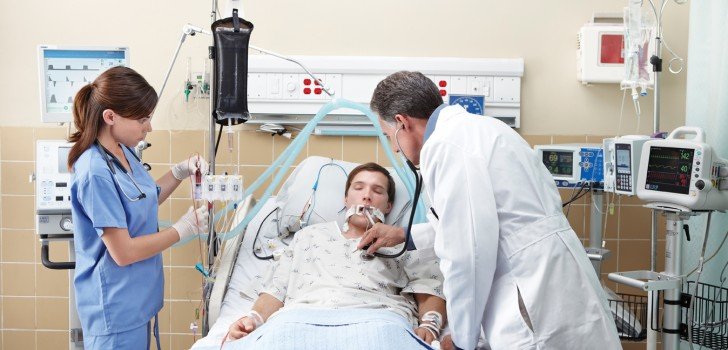
Thousands of people who survive a serious illness or injury in the Intensive Care Unit of a hospital are left with severe problems, some of which are so intense that they feel as though they are losing their minds.

Some people never recover.

The disorder has been called “post-intensive care syndrome”. It represents a variety of symptoms that come about after a traumatic experience in the ICU. Symptoms can include muscle weakness, cognitive dysfunction, anxiety, depression, and even post-traumatic stress disorder.

A study from April found that 25% of people who survive a stay in the ICU have symptoms of post-traumatic stress disorder anywhere from one to six months after being discharged from the hospital. This rate is the same as combat soldiers and rape victims.

While it would be expected that patients would be grateful to have their lives saved, they instead hit rock bottom, suffering from major severe depression with thoughts of suicide.

Estimates show that roughly 75% of ICU patients survive to be discharged from the hospital. Up to half of those surviving patients will experience post-ICU syndrome.

The disorder does not discriminate, as people of all ages and races are at equal risk. The problem is expected to become worse as the baby boomer generation continues to grow older.

Scientists are having a difficult time determining the causes of post-ICU syndrome. Some believe that it could be a dysfunction of the brain that came from the illness or injury itself.

However, others are arguing that the actions that take place in the ICU are to blame. Patients in the ICU frequently receive large amounts of sedative medicine, while also being placed in physical restraints. These techniques can lead some patients to believe that they are being tortured or imprisoned rather than being treated in a hospital.

The heavy use of sedative drugs causes the reality of the patients to become distorted. The patients leave the ICU believing that they have been stabbed or sexually assaulted.

Meanwhile, other patients have described instances of blood seeping from the walls, rats running around the room, and seeing children without faces.

In order to deal with the problem, doctors have been trying to use less sedatives. However, this has not necessarily helped. Now, instead of having delusional memories, patients often experience a total blackout, while still leaving completely traumatized.

There does not currently exist a standardized follow-up care for ICU patients. Many doctors find this troubling, believing that patients should have a network to turn to for post-recovery.

For now, doctors are doing everything they can to minimize the discomfort that patients experience in the ICU. But it’s clear that something needs to be done to help patients that are deeply traumatized from an ICU stay.

What Travel Speed Is Best For Transport Networks?

New research indicates that London’s trains are traveling too fast for their own good. Faster trains mean more congestion. Conversely, if trains were actually faster in New York, that would mean less congestion. The research indicates why both cities are so different.

Although the study of the train systems was somewhat theoretical, the results did shed some light on the optimal travel speed for each system. For example, in London, the researchers calculated that the trains should travel at about 1.2 times faster than the average speed cars travel on the roads. So, the optimal train speed should be approximately 13 miles per hour. In reality, the average train speed is 21 miles per hour.

Lead researcher, Dr. Marc Barthelemy, pointed out that additional data is needed to make specific recommendations to transit authorities. He stated that, “Giving exact numbers is a tricky thing. But the fact is that these networks are coupled to each other. Optimizing something on one [travel] network can bring bad things on another network.” He emphasized that transport networks such as roads and train lines are becoming more and more interconnected.

Moreover, other reports suggest that there is a current trend in “multimodal” traveling. This means that an increasing number of travelers make switches between their modes of transportation – going from bus to car, train to bus, etc.

Barthelemy states that this trend is somewhat driven by smartphones and various apps that allow people to search for the quickest route between Point A and Point B, even if that means a switch or two. He also points out that multimodal trips in big, spread out cities like London are inevitable.

In order to test how the various different transport networks can affect one another, researchers built computer models of the exact layouts of the road and underground transport networks of both New York and London. They then identified the possible connections between the two. “We create these connections, and then we make an assumption, which is: When someone wants to go from A to B, they look for the quickest path – whatever the mode.”

Using this system, researchers learned that the underground network tends to decrease congestion centrally but increase congestion at the ends of the lines. And there are differences between the two cities. Dr. Barthelemy observed that, “Surprisingly enough, the network in New York is much more centralized than the one in London.”

Therefore, according to the model, the congestion levels in downtown Manhattan are so great that the city would be served well from faster trains “even if that increases the congestion at some peripheral points – the entry points to the subway.”

Conversely, in London, such congestion suggests that an average slower train speed would benefit travelers.

The researchers acknowledge that the models do not take into consideration the opinions of travelers or the unanticipated problems that may arise during the day.

Still, the researchers believe that the point is worth considering.

Army Developing Rescue Robots To Reduce Medic Casualties

When a soldier is wounded in battle, one of their comrades must risk their own life in order to save the life of the soldier. But in the near future, that might not be the case as the army is working to develop robots designed to rescue fallen soldiers.

Major General from the United States Army, Steve Jones, said, “We have lost medics throughout the years because they have the courage to go forward and rescue their comrades under fire. With the newer technology, with the robotic vehicles we are using even today to examine and to detonate IEDs [improvised explosive devices], those same vehicles can go forward and retrieve casualties.”

Jones added that the unmanned vehicles that would be used to recover wounded soldiers could also be armored in order to protect them on the way back to their base. Also, the vehicles could provide support to the soldiers that are still engaging in combat. For instance, the vehicles could be used to deliver supplies to soldiers.

The Army is also developing wearable sensors that would be used to monitor the vital signs of soldiers in battle. This would enable medics to detect injuries from afar. The sensors would supposedly be similar to “Fit Bit”, a watch-like device that is used to measure things like a person’s heart rate.

The sensors could also be triggered to send recovery robots upon sensing injuries. Additionally, they would be able to prioritize, sending help to the wounded soldiers with the worst vital signs first.

“If you see a casualty whose heart rate is way up, whose respiratory rate is way up, that may be an indication they lost a lot of blood, and need treatment now, as opposed to a casualty whose vital signs are stable and you wouldn’t have to treat as quickly,” Jones stated.

The technology is also expected to be applied to unmanned drones.

The Army is no stranger to using the latest technology. Recently, the military branch has been using GoPro cameras on soldiers in order to document injuries and their corresponding treatment methods. The video is able to be transmitted live to physicians so that they can better prepare for an incoming patient. The recordings are also used to provide medics with valuable feedback.

While the Army cannot prevent injuries from occurring in the first place, they are doing the next best thing by adopting new methods in order to ensure that wounded soldiers receive the best treatment possible, while also keeping those treating the soldiers safe.

LinkedIn Joins Car Sharing Market With China’s Didi Kuaidi Partnership Agreement

LinkedIn has entered the fast-growing car sharing market by joining forces with Didi Kuaidi, China’s leading ride-hailing mobile application. The partnership announcement was made at the eighth US-China Internet Industry Forum in Seattle, Washington.

It was somewhat overshadowed by the visit to the Forum by Chinese President Xi Jinping, but experts say the move is a headline grabber in the highly competitive world of car sharing.

The partnership will see LinkedIn working closely with Didi in staff recruitment, product integration, brand development and information technology.

“The two companies will collaborate in developing algorithms and machine learning capabilities to improve their user experience and create new market opportunities,” read the partnership announcement statement.

The partnership’s first collaboration will involve Didi’s Chinese car pooling service “Hitch” which it launched in June. Since the launch the company has attracted five million users.

The signed memorandum of understanding between LinkedIn and Didi will enable Hitch users to connect their LinkedIn accounts to the carpooling platform.

Derek Shen, President of LinkedIn China said LinkedIn has 10 million users in China. Globally there are 300 LinkedIn million users, which according to experts, is a huge attraction for Didi’s worldwide growth aspirations.

The LinkedIn partnership is Didi’s second big announcement within seven days in the U.S. Last week it released information about a $100 million investment into U.S on-demand transport provider Lyft.

The experts said LinkedIn’s first task for Didi will most probably see it support Lyft’s talent recruitment efforts because investment in Lyft is the company’s ticket to worldwide expansion.

The companies’ partnership statement read “This collaboration is expected to set an example for other Chinese internet enterprises looking to recruit and develop global talent.”

Companies Set To Build Massive Electric Vehicle Charging Network In China

An electric vehicle charging company from Hong Kong is attempting to encourage the growth of electric vehicles in China by establishing a vehicle charging network within the country.

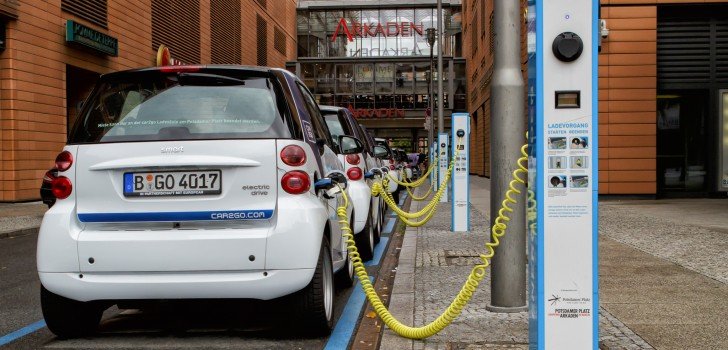
The EV Power Group is building the infrastructure needed to support the faster growth of electric cars in China. Led by its founder Martin Tsang, the company is installing 600 charging stations in major Chinese cities such as Beijing, Shanghai, and Guangzhou.

Tsang said at a recent summit, “It is a chicken and egg question, with no charger there are no EVs, with no EVs there are no chargers, so our company has made the first step.”

By 2020, the government of China hopes to have at least five million alternative energy cars.

The EV Power Group currently operates 3,000 chargers in places like shopping malls, office buildings, and residential sites. The company operates in mainland China, Hong Kong, and Macau.

Right now, the company is working to cooperate with other charging providers in order to maximize the number of available charging locations, as well as to standardize a payment method.

According to Tsang, the EV Power Group plans to expand its network to 10 to 15 new Chinese cities during the next year.

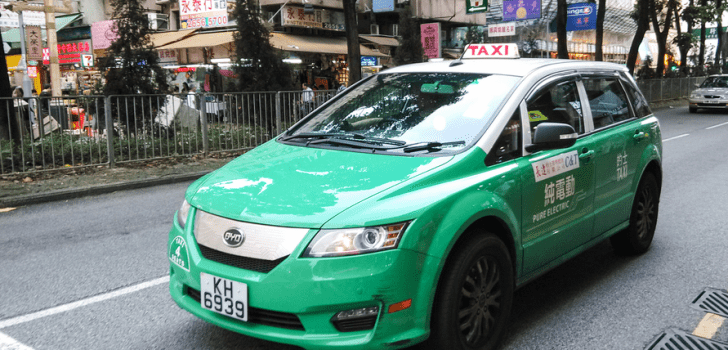
ABB is another Chinese company that manufactures chargers for electric vehicles. The company operates a fast charging system for taxis. ABB has also provided 500 home chargers to the car companies of BYD and Daimler, who formed a joint-effort to produce their Denza electric car.

ABB spokesperson Walter Stein said that it would be more challenging for a company from the United States or Europe to create a similar charging network in the country. Chinese companies have the edge due to their ability to collaborate with local electric car manufacturers.

Stein said, “If you drive a Chinese car, it doesn’t matter which [charging] system you hit, you will be able to [use it]. We work together with all the Chinese car manufacturers and all the Chinese charger manufacturers”

Currently, ABB maintains ten charging systems in Hong Kong. The company plans to double this number within the next year.

ABB has also had success in Europe, having installed country-wide electric vehicle charging networks in countries such as Denmark, where it has 150 fast charging systems, and Holland, where it has 200.

According to the company, a 30-minute charge from one of their 50 kilowatt charging stations can power an electric car for more than 62 miles. Each charging station costs more than $22,000 to install.

Stein said the industry expects to provide one fast charger for every 50 cars on a global level.

Dolphins Are Rapidly Dying Because Of Dangerous New Fishing Practice

Electrofishing is killing off many fish, and the practice is starting to disrupt the food source for dolphins.

Electrofishing refers to the technique of sending electrical currents into water. The electricity comes from metal rods or conductive nets which are attached to car batteries. The fish are stunned in groups, making them easy to collect all at once by fishermen.

The practice of electrofishing is illegal, but it’s not stopping fishermen from using the harmful technique. It’s having a huge impact on dolphin populations since it leaves dolphins without enough fish to consume. Additionally, dolphins have been known to be killed from electrofishing.

The issue is becoming a major problem in Burma and its Irrawaddy River, as the Burmese population of dolphins is said to be endangered. Currently, fewer than 60 dolphins remain in the area.
Many say that the cooperative relationship between humans and dolphins could soon go down the drain. Humans in Burma have been using the dolphins to help catch fish for generations. The partnership is even mentioned in a history journal from 1871. The dolphins are a big part of local lore.

Indeed, studies have shown that fishermen are able to retrieve more fish with help from dolphins. One study by the Wildlife Conservation Society (WCS) from 2007 said that fishermen could catch a haul of 60 pounds with dolphin assistance, but only 11 pounds without their help.

However, fish populations began to rapidly decline once electrofishing became widespread. This started happening about ten years ago. During this time, electrofishing techniques have evolved from tiny electric rods into more advanced copper-lined nets that can stun and collect a large number of fish.

The problem goes beyond electrofishing, as logging, dredging, agricultural runoff, and gold mining are also harming fish populations in Burma.

While electrofishing is illegal, the practice is difficult to enforce.

Starting in 2005, the WCS and Burma’s Department of Fisheries declared a 40 mile protection zone in order to maintain the well-being of the dolphins. Catching, killing, and trading dolphins were banned. Additionally, gillnets and dragnets were also banned, as they have been found to be harmful to dolphins.

The Burmese government declared a three-year prison sentence for electrofishers. The waterways are patrolled by the Department of Fisheries, WCS officials, and local police. However, electrofishers typically react violently to enforcement, and they can simply outrun any boats that are patrolling in the area.

The problem is also affecting small-scale fishermen, as the catch rate for this group has fallen by 50% over the last five years.
For now, the WCS is working on creating eco-tours in the Irrawaddy River, with the hope that wealthy tourists visiting the area can establish incentives to protect dolphins and their habitats. So far, at least six tours have taken place.

Local small-time fishermen are some of the most discouraged by the situation. They miss the big catches that they used to bring in and the dolphins that were there to greet them.

Volkswagen Scandal Spreads; BMW Under Fire

The emissions scandal from Volkswagen is starting to affect other car companies, as BMW has been threatened by the repercussions. The European Union has asked all 28 of its member countries to conduct investigations of their own.

EU spokesperson Lucia Caudet said, “We are inviting all member states to carry out investigations at the national level. We need to have the full picture whether and how many vehicles certified in the EU were equipped with defeat devices.”

The transport ministry of Germany said that spot checks of vehicles would go beyond Volkswagen. Meanwhile, shares of BMW took a dive with reports that a diesel version of its X3 sport SUV produced pollution more than 11 times the European limit in a recent road test.

Volkswagen’s cheating device has brought the entire automotive industry into heavy scrutiny. The public is particularly outraged that a product marketed as “clean diesel” utilized software for the sole purpose of cheating emission tests.

The lobbyist group representing European automotive companies, the ACEA, said that evidence does not exist that the issue extends beyond Volkswagen.

As for Volkswagen, the expectation throughout the industry is that virtually every top official within the company will lose their job. Martin Winterkorn has already resigned as CEO.

Meanwhile, local prosecutors are starting a criminal investigation.

The financial rating company Standard & Poor’s is considering Volkswagen’s long-term financial rating.

A study from last October by the International Council on Clean Transportation found that emissions measured during road tests of 15 newly released diesel cars averaged about seven times greater than limits mandated in Europe. This suggests that there exists an industry-wide problem.

The ICCT also discovered a discrepancy between road testing and lab performance in the X3 from BMW. However, BMW claims that it does not have any cheating devices installed in its vehicles.

A statement from BMW said, “The BMW Group does not manipulate or rig any emissions tests. We observe the legal requirements in each country.”
However, shares for BMW fell 7% to 74.20 Euros in Frankfurt. Meanwhile, fellow car company Daimler decreased by 5.8%.

Whether or not any company outside of Volkswagen did anything illegal, it is clear that the entire auto industry has been affected. The public will also have a difficult time being sold on “clean diesel” in the future.

GlaxoSmithKline Releases Polio Virus Into Belgian River

In a display of corporate negligence, it was revealed that GlaxoSmithKline (GSK) dumped 12 gallons of live polio virus into a river in Belgium on September 2nd.

The announcement was made by Belgium’s Institute of Public Health (WIV-ISP).

According to the Centers for Disease Control (CDC), the polio virus results in paralysis of the limbs in less than 1% of cases of infection, the risk of paralysis increasing with age. Infected persons that do not go on to display any symptoms can still infect others, however.

Transmission of polio most often occurs person-to-person via contact with the stool of an infected person, but in this case, individuals could contract the virus from swimming and fishing activities.

Due to high rates of polio vaccinations in Belgium, risk to the public was said to be limited. Additionally, the river involved flows to a water treatment plant which does not supply drinking water, which would also limit the potential risk.

GSK representatives stated that the contaminated water was mistakenly released during a vaccine production process, but no further explanation was given.

Risk analysis of the accidental release conducted by the WIV-ISP concluded that members of the public such as swimmers, fishers, etc. were all at very limited risk of infection, whereas the higher-risk water treatment employees were given polio vaccinations. The organization further indicated that individuals should avoid contact with waters of the Lasne river, downstream of the treatment plant.

As an ongoing measure of precaution, sludge samples from the treatment plant will be taken periodically for signs of the virus.

Increased concern was displayed by the European Center for Disease Prevention and Control (ECDC) because of the fact that the release will eventually connect with waterways passing through an area of the Netherlands with high population and low vaccination rates.

GSK has had a number of other poor press events over the recent years, including the leak in 2012 of a confidential internal document that revealed 36 infant deaths as a result of the company’s Ifanrix Hexa shot. That leak also showed that there were over 1,700 other instances of adverse effects related to the shot, with over 500 considered extremely serious.

More Than 700 Dead In Major Hajj Tragedy

Over 700 people have been killed while another 800 were injured in Saudi Arabia, as a stampede caused major destruction during an Islamic ritual.

The stampede took place on Thursday morning in the tent city of Mina, about two miles from the holy city of Mecca, during one of the final rituals of the Hajj season. The ritual known as “stoning the devil” was taking place when the stampede occurred.

The Hajj season is better known as the “pilgrimage to Mecca”. According to the law of Islam, every Muslim who is physically and financially able must travel to Mecca at some point during their lifetime.

In the past, hundreds of Muslims have been killed in the same ceremony. The tragedy comes just 13 days following a crane collapse that took the lives of over 100 people at the Grand Mosque in Mecca. A powerful storm was the cause of the collapse.

So far, the latest death count is over 700, and numbers are continuing to increase. Officials working on the situation have deployed 4,000 workers and 220 ambulances.

During the “stoning of the devil”, pilgrims throw stones towards three pillars in order to re-enact when the Prophet Abraham stoned the devil and rejected his temptations. The event is a significant part of Muslim tradition.

The stampede occurred as the Muslims were approaching the largest pillar. There was a sudden surge in the crowd, resulting in a great number of individuals falling and being trampled. It is unknown what caused the surge.

Despite the disaster, many Muslim pilgrims are still attempting to reach the pillars and complete their religious duties. Witnesses say that they have seen medical personnel removing the bodies of the victims from the scene.

The ceremony has proven to be dangerous in the past, as the pilgrims are required to pass through a bottleneck area that is particularly crowded. Hundreds of deaths occurred in the 1980s and 1990s. In 2006, a stampede killed 363 people.

In recent years, the government of Saudi Arabia tried to remedy the situation by building a $1.2 billion project, including three giant pillars and a five-story-tall bridge for the Pilgrims to safely toss stones. The idea was that it was a roomier atmosphere that would prevent future incidents of trampling. However, with the latest disaster, that has not proven to be the case.

The stoning ritual lasts more than two days. Pilgrims stone the pillars in Mina, which is thought to be the same place where the Muslim devil was stoned as he attempted to prevent Abraham from listening to the orders of God. Muslim tradition says that this was a test from God.

According to Muslim lore, losing one’s life during the Hajj season is considered to be a direct entry into heaven. Thursday was the third day of the Hajj season.

Over two million Muslims from across the globe make the Hajj pilgrimage every year. For many Muslims, the trip is the spiritual climax of their lives. Many devoted Muslims save money for decades for the opportunity to make the journey. The pilgrimage is conducted over five days.

Muslims in Yemen also experienced a tragedy of their own on Thursday, as 29 people attending Eid prayers were killed after a bomb was set off in a crowded mosque in Sanaa.

Cell Phones’ Impact On Markets Decrease Poverty

With respect to reducing poverty, recent research indicates that the mobile phone is a very important invention in reaching this goal. This theory is best illustrated when examining the results compiled by researchers studying the economics of fishermen off the coast of Kerala, a region in southern India.

The premise of the study is as follows: before fishermen in the area had access to mobile phones, their ability to sell their fish was unpredictable. Researchers observed that when a fisherman had a good catch of sardines, typically other fishermen in the area also had good catches. That meant that the local beach market would have plenty of supply. That also meant that prices of all of the fishermen’s catches would be very low and they also ran the risk that their catches would not be sold at all – and therefore wasted.

The fishermen were faced with a daily question with respect to their catches: should they head to the local market where they always went, or should they go down the coast a little ways in hopes that the supply was not as great and therefore fetch a good price for their supply? Making the wrong choice was costly because once they chose their market, they could not travel to another market as fuel costs were too high. Moreover, each market is only open for a few hours before dawn.

This scenario was what fishermen faced prior to 1997. Obviously, this situation was troubling for both the fishermen and their customers. Fishermen more often than not chose to sell their fish close to home. The practice was wasteful because when one market was oversupplied, fish were thrown away – even though there may have been buyers just a little ways up the coast.

But, in 1997, mobile phones made their way to Kerala. Fishing practices changed. A fisherman was able to call several markets from his boat to determine where his catch would receive the highest price.

Those fishermen who traveled beyond their home markets to sell their fish went from 0% to about 35%. As a result, fish were not wasted and price variations fell dramatically. In essence, the price of fish became the same along the coast.

This more efficient market has benefited fishermen and customers alike. Fishermen’s profits rose by about 8%, while customer prices dropped by about 4%. The higher profits meant that the mobile phones essentially paid for themselves in a short period of time.

Robert Jensen, a development economist at Harvard University headed this research. He pointed out that, “Information makes markets work, and markets improve welfare.”

Critics of this analysis suggest that it is hard to tell if mobile phones promote growth or if growth promotes the adoption of mobile phones. Regardless of that inquiry, it is hard to argue with the results of the study. In the case of fishermen, their access to mobile phones has made their lives – and their profits – much better.

French Court Rules Against UberPOP

France’s Constitutional Court has made the decision to uphold the law banning UberPOP, a ride service offering transportation from non-professional drivers. The French court dismissed all of the arguments put forth by Uber and stated that contested parts of the new law conformed with the country’s constitution.

Further legal proceedings could implicate Uber executives Thibaud Simphal and Pierre-Dimitri Gore-Coty for conducting the service in France illegally.

In the summer of this year, France witnessed riots and blockaded streets by upset taxi drivers, who contended that UberPOP’s service was stealing their business. UberPOP does not require driver training of its employees in contrast to the UberX service, which is still legal in France.

Similar grief has been voiced by taxi drivers in the U.S. In St. Louis, Missouri authorities moved to restrict the use of ride-sharing services like Uber, with Uber representatives pointing to the entrenched interests of the taxi industry as cause for such actions. Uber cited U.S. antitrust law during its lawsuit against the city, but was denied its request for a temporary restraining order last week.

Uber’s efforts in New York City have seen New York Governor Andrew Cuomo champion their cause, against the wishes of New York City Mayor Bill de Blasio. De Blasio recently backed down from his plan to limit the total number of Uber drivers within the city, which currently number around 26,000. That was not before Uber agreed to participate in a four month study of its effects on city traffic patterns, however.

De Blasio’s arguments often resorted to claims that the new service was causing problems of traffic congestion, but according to Jared Meyer of the Manhattan Institute for Policy Research, “Ridesharing represents 1% of all the cars coming into Manhattan every day. This is a small thing.”

In Belgium, the city’s taxi services decided to start their own ride-hailing app in competition with Uber—a similar result is playing out in New York City. Apps Way2Ride and Arro now offer customers the option to call yellow and green cabs with their smartphones. Taxi fares have been brought down by competition with Uber, along with prices for taxi medallions. In that sense, both taxi drivers and consumers have benefited.

As the ride-sharing firm continues to enter and disrupt new markets, government officials and taxi services alike will continue their rush to adapt to the situation.

Five Times More US Public Worker Finger Prints Stolen By Chinese Hackers

Five times more American fingerprint sets were stolen by Chinese hackers than was previously reported. The U.S. Office of Personnel Management (OPM) has shocked the nation by announcing that more fingerprints were in the hands of Chinese espionage experts than had previously been estimated.

In a statement on Wednesday, OPM spokesperson Samuel Schumach said that up to 5.6 million U.S. public service workers’ fingerprints had been stolen in the massive breach of government employee files. Initially, the figure had been put at 1.1 million. Overall, 21.5 American citizens were affected by the hack.

Along with the fingerprints, OPM announced that Social Security Numbers and other sensitive data such as criminal records, financial history, sexual behavior and drug use, were collected by the hackers. Schumach said the discovery had been made after “analyzing impacted data to verify its quality and completeness.” The breaches have been traced to Chinese espionage activities.

It is unclear how the fingerprint data can be used to compromise America’s position. Schumach said, “Federal experts believe that, as of now, the ability to misuse fingerprint data is limited. However, this probability could change over time as technology evolves. “

The OPM announced that an interagency group comprising of representatives from the FBI, Homeland Security Department, DoD and the intelligence community, had been set up to analyze security breaches possible with the finger prints. OPM said the group would also figure out ways of remedying the situation should attacks be found possible.

Schumach said, “If, in the future, new means are developed to misuse the fingerprint data, the government will provide additional information to individuals whose fingerprints may have been stolen in this breach.”

Five months after the massive breach of U.S. public service and state officials data, the federal government recently inked a $133 million contract that would see hack victims provided with credit monitoring for three years. The program would help authorities identify theft prevention strategies.

The OPM said it would work closely with the DoD to provide mailing notifications to the impacted individuals. The notifications, Schumach said, would continue on a rolling basis.

The massive breach by Chinese espionage experts was conducted remotely and rendered compromised both private, individual and confidential state information. Though the U.S. government has sealed the OPM data from consequent breaches, little is known about how the Chinese will use or misuse the stolen data.

New Apartment Complex Has Massive Impact On Chicago Gay Community

Chicago has recently built its first LGBT-friendly affordable senior housing complex called Town Hall Apartments. The apartments contain 79 units, and they consist of a mixture of one bedroom and studio apartments.

The apartments are a joint project between the anti-poverty foundation, Heartland Alliance, and the LGBT resource center, the Center on Halsted. Heartland Alliance developed the property, and it will continue to manage it. The Center on Halsted will provide services including case management and programming.

The apartments cost $23.7 million to build, and they were opened in August of last year. Mayor Rahm Emanuel attended the ribbon-cutting ceremony, which took place in October.

In order to move in, aspiring residents must be 55 or older, have an income of no greater than $30,000, and pass a criminal background check.

Subsidies are being provided through the Property Rental Assistance program from the Chicago Housing Authority. The program ensures that no tenant’s rent exceeds 30% of their income.

The apartments are doing a great job of assisting many financially-challenged gay seniors in obtaining affordable housing. Many of these individuals were hit hard in the financial crisis during the recession. Residents of the apartments say that there is a strong sense of community, and they have quickly connected with one-another in sharing their own personal stories and experiences.

According to the Heartland Alliance, 40,000 LGBT seniors lived in Chicago in 2007. One-fifth of these people were living in poverty.

These seniors grew up in a time when “coming out” as gay or transgendered often resulted in arrest, violence, discrimination, and social rejection. The Town Hall apartments will guarantee that LGBT seniors have a place where they are accepted.

The apartments will also serve as a hub for social and recreational services for gay seniors. There is a community kitchen and activities such as coffee hour, subsidized lunches, weekly discussion groups, and afternoon movies. The first floor of the building is accessible to the public.

The building was designed by the building firm Gensler, which also designed the Center on Halsted. Included in the construction is the recycling of a decommissioned police station.

Residents and staff of the apartments are required to use a key card in order to access the residential floors. LGBT residents stated that the peace of mind that comes from such security measures was particularly important to them.
Other amenities of Town Hall include a fitness center and a lounge known as the “Rainbow Room”. There is also a spacious dining room where residents eat together and hold a monthly potluck dinner. Many private parties also take place.

The apartments are located at 3600 N. Halsted, right in the heart of Chicago’s gay district, which is nicknamed by citizens of Chicago as “Boystown”.

VW CEO Resigns Amidst Emissions Testing Scandal

In light of the biggest scandal to face the German carmaker Volkswagen (“VW”) in its 78-year history, the company’s CEO, Martin Winterkorn, resigned earlier this morning. The scandal involved the company’s manipulation of vehicle emission test results so that it appeared the affected vehicles were abiding by various state and federal emission regulations. The scandal has rocked VW as well as the rest of the car industry.

Specifically, people at VW utilized “defeat device” software to fool United States emissions tests on diesel cars into “believing” they met certain environmental standards. The defeat devices made sure that the actual emission levels, which were in some cases 40 times the level legally permitted in the United States, were hidden. This hidden software, which switches a vehicle’s engine to a much cleaner mode during testing, may have been installed in over 11 million cars worldwide.

Winkerton said that he acknowledged responsibility for “irregularities found in diesel engines” but claims he did not know anything about the alleged engine manipulation. He stated that, “I am shocked by the events of the past few days. Above all, I am stunned that misconduct on such a scale was possible in the Volkswagen Group.” He also stated that he is quitting for the good of the company adding that, “Volkswagen needs a fresh start – also in terms of personnel. I am clearing the way for this fresh start with my resignation. The process of clarification and transparency must continue. This is the only way to win back trust. I am convinced that the Volkswagen Group and its team will overcome this grave crisis.”

The fallout is extreme, to put it mildly. At least 482,000 cars will be recalled and VW could face penalties of greater than $18 billion in the United States alone. Already, a United States law firm indicated that it was suing the company, stating that car buyers had not gotten what they paid for and that their cars are now likely worthless. Not to mention the criminal investigations that will be conducted, led by the United States Justice Department as well as various state attorneys general.

Meanwhile, the German Chancellor Angela Merkel urged VW to move “as quickly as possible” to restore confidence in the company. German prosecutors indicated they were conducting an initial investigation into the vehicle testing manipulations. French Energy Minister Segolene Royal stated that French penalties would be “extremely severe” if any evidence of wrongdoing was uncovered.